Essential Guide to Tree Removal: When and How to Proceed
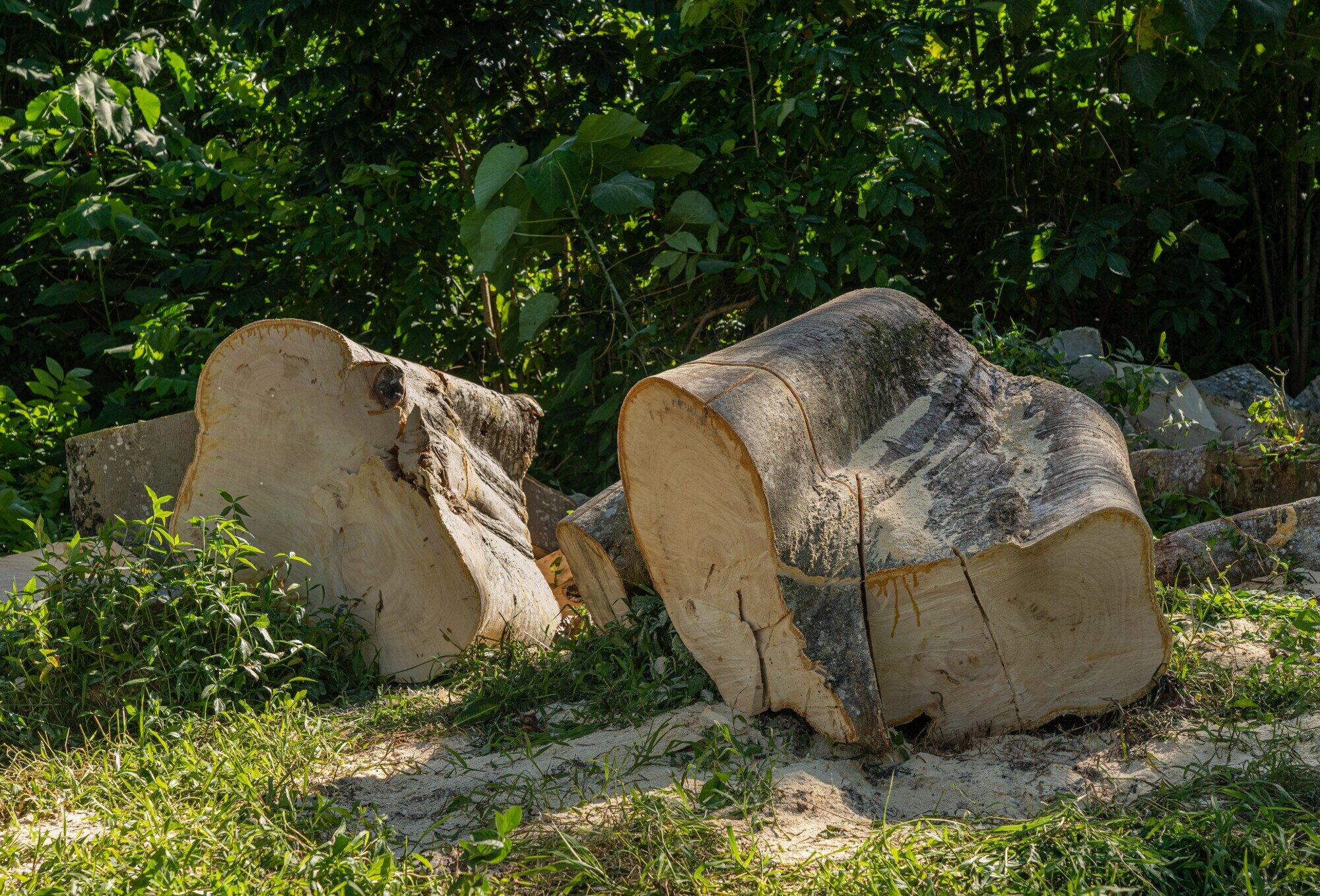
Tree removal is a significant undertaking that requires careful consideration and planning. Whether you are dealing with a hazardous tree, one that is overgrown, or simply wishing to create space for a new landscape design, understanding the intricacies of tree removal is crucial. In this guide, we will explore the reasons one might need to remove a tree, the safety measures necessary for the task, and the steps involved in hiring a professional service or tackling the job yourself. You can view here for more about Art's Tree Service now.
One of the primary reasons for tree removal is safety. Trees may become diseased, dying, or structurally unsound, posing a risk to property and people nearby. Severe storms can also lead to damage, causing branches to threaten homes or power lines. If you notice any signs of trouble such as dead branches, fungal growth, or leaning trunks, it's essential to assess the situation promptly. Additionally, if a tree is obstructing sunlight or is too close to your home or driveway, removal can restore balance to your yard and improve accessibility.
When considering tree removal, safety should be your top priority. If you choose to do the job yourself, ensure you have the right equipment, including a chainsaw, safety goggles, and a hard hat. It’s crucial to inform neighbors and clear the area of any obstacles that could be damaged during the process. If the tree is particularly large or in a complicated location, hiring a professional tree removal service might be the best option. Professionals not only have the necessary tools and experience but also understand the regulations concerning tree removal in your area.
The tree removal process itself can vary based on the tree's size and location. Generally, it involves a few key steps: assessing the tree and surrounding area, planning the approach for removal, cutting the tree down section by section if necessary, and finally, stump grinding or removal. It's important to follow proper techniques to avoid injuries or unintended property damage. Once the tree is down, consider what to do with the leftover stump. Options include grinding it down, using it for mulch, or even creating a natural garden feature.
In conclusion, qualified tree removal is a task that demands careful thought, planning, and an understanding of safety procedures. Whether for aesthetic reasons or urgent safety needs, knowing when and how to remove a tree is vital to maintaining a healthy and safe environment in your yard. Always weigh the benefits of hiring professionals against the desire to do it yourself, especially where safety and property risk are concerned. Lastly, ensure that you follow local regulations when it comes to tree removal to avoid potential liabilities. By taking these steps, you can make informed decisions about your landscaping and ensure your property remains both beautiful and safe.
To familiarize yourself more with this topic, it is best that you check out this post: https://en.wikipedia.org/wiki/Arborist.
